Exploring Native Plants for Regional Gardens
As gardening enthusiasts look for sustainable ways to enhance their landscapes, many are turning to native plants. These species, adapted to local climates and conditions, can offer a wealth of benefits, from reduced maintenance to improved biodiversity. This article explores the value of native plants in regional gardens across the U.S., providing insights into their care and integration into your gardening practices.
Understanding the Importance of Native Plants
Native plants are species that have evolved to thrive in specific regions. According to the U.S. Forest Service, planting native species can significantly contribute to local ecosystems by supporting wildlife and reducing the need for chemical fertilizers and pesticides. Many experts recommend incorporating these plants because they often require less water and are more resistant to local pests and diseases.
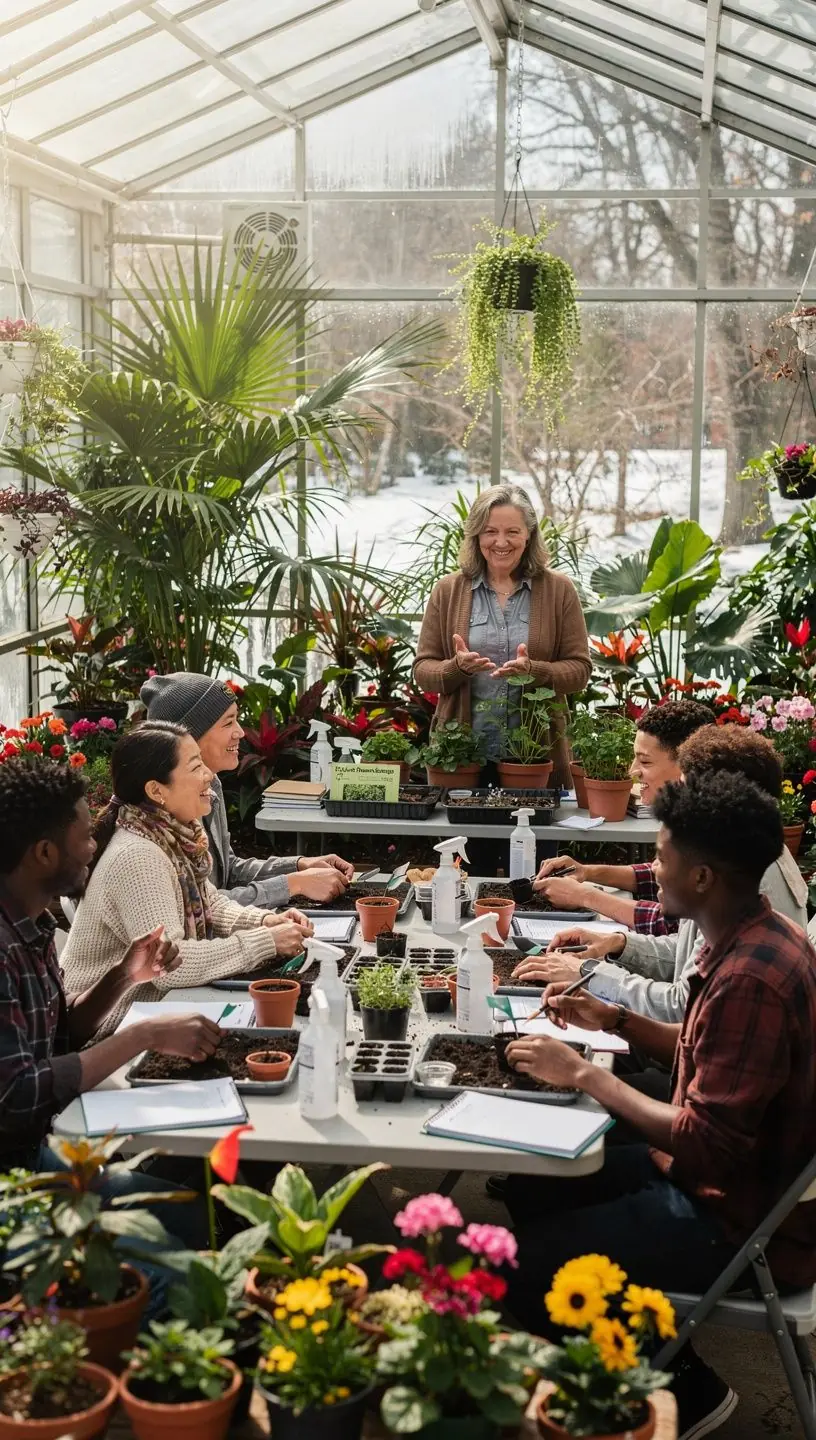
"Native plants can increase regional biodiversity and create a sustainable garden environment." - Environmental Gardening Expert
Benefits of Native Plants
- Reduced Maintenance: Native plants typically require less upkeep than non-native varieties. They adapt to local soil and weather conditions, often thriving with minimal care.
- Water Conservation: Many users report that native plants can reduce water usage by up to 50%, as they are well-suited to the area's rainfall patterns.
- Biodiversity Support: Integrating native plants can attract local wildlife, including pollinators like bees and butterflies, which are essential for a healthy ecosystem.
Choosing the Right Native Plants
When selecting native plants for your garden, consider the following steps:
- Research Local Species: Start by identifying plants that are native to your region. Resources like the Native Plant Society provide valuable information on local flora.
- Assess Your Garden's Conditions: Evaluate your garden's sunlight, soil type, and moisture levels. Many native plants have specific needs that must be met for optimal growth.
- Plan for Diversity: Incorporating a variety of species can help create a balanced ecosystem. Consider including plants that bloom at different times of the year to provide continuous food sources for wildlife.
Implementing Native Plants in Your Garden
Once you've chosen suitable native plants, it’s important to understand how to integrate them effectively:
- Prepare the Soil: Native plants generally benefit from well-draining soil. Conduct a soil test to determine if any amendments are necessary.
- Plant at the Right Time: Most native plants thrive when planted in early spring or fall. This timing allows them to establish roots before extreme weather.
- Monitor and Care: While native plants require less maintenance, they still need some care. Regularly check for pests and diseases, and ensure they are adequately watered during dry spells.
Conclusion
Incorporating native plants into your regional garden can provide numerous ecological and practical benefits. By understanding the importance of these species and following best practices for their care, gardeners can create sustainable landscapes that contribute positively to local ecosystems. Remember, effective gardening with native plants not only beautifies your space but also supports biodiversity and conserves local resources.