How Weather Patterns Affect Gardening Success
Gardening is not merely a hobby; it's a delicate interplay between nature and human endeavor. Understanding how weather patterns influence gardening success can empower gardeners to make informed decisions and adapt their practices accordingly.
Understanding Weather Patterns
Weather plays a crucial role in gardening, affecting everything from plant growth to pest populations. Studies show that regional climate and seasonal changes can significantly influence the types of plants that thrive and the timing of planting. For instance, areas with a Mediterranean climate typically experience dry summers and wet winters, which can dictate the best planting schedules.
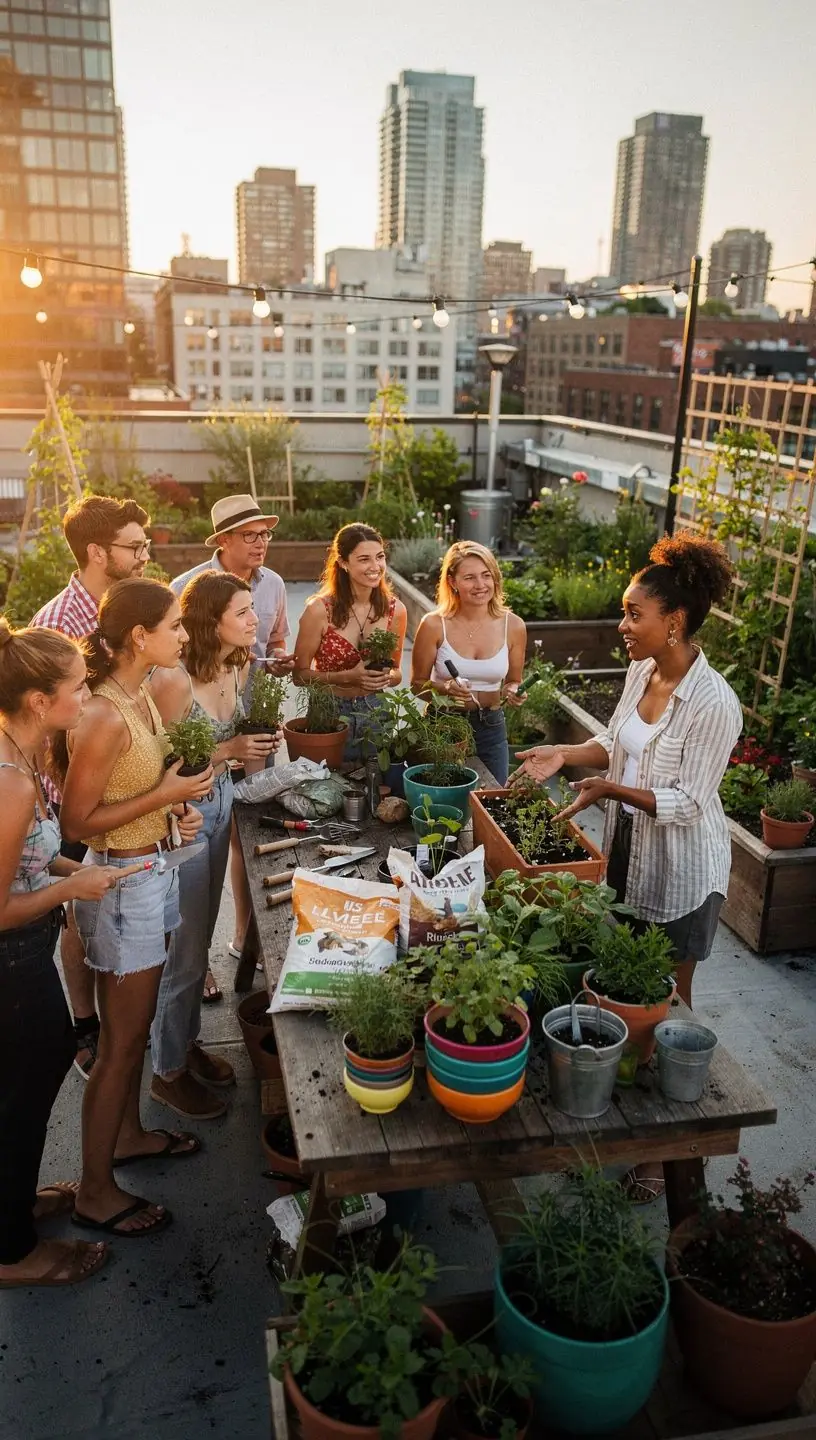
"The principles behind seasonal gardening emphasize adapting to climatic conditions for optimal growth."
Key Weather Variables to Consider
- Temperature: Different plants have varying temperature tolerances. Research indicates that many gardeners in the U.S. often choose plants that are suited to their USDA hardiness zone, which reflects average annual minimum temperatures.
- Precipitation: Rainfall patterns can impact the frequency of irrigation. Experts recommend tracking rainfall to adjust watering schedules, as overwatering can be just as detrimental as drought.
- Frost Dates: Understanding the last and first frost dates is essential for determining planting times. Many users report success by waiting until after the last frost to plant tender annuals.
Adapting to Climate Variability
In recent years, climate variability has become more pronounced, leading to unexpected weather patterns. Industry experts suggest that gardeners should consider selecting plants that are adaptable to changing conditions or using row covers to protect against sudden frosts. This works because it creates a microclimate that can help maintain optimal temperatures for plant growth.
Moreover, maintaining a diverse garden can mitigate risks associated with extreme weather. By including a variety of plants, gardeners can enhance resilience against pests and diseases that may thrive during unusual weather events.
Practical Tips for Successful Gardening
- Monitor weather forecasts regularly to anticipate changes that could affect your garden.
- Implementing crop rotation can help reduce the impact of pests and diseases, as some plants may be more susceptible during certain weather conditions.
- Consider employing soil moisture sensors to ensure your plants receive the right amount of water, especially during dry spells.
Conclusion
In conclusion, while weather patterns can pose challenges to gardening, understanding and adapting to these changes can lead to successful outcomes. By being proactive and informed, gardeners can navigate the complexities of their local climate, ultimately enhancing both productivity and enjoyment in their gardening practices. Embracing the principles of seasonal gardening can foster resilience and adaptability in the face of an ever-changing climate.
Learn More