Strategies for Year-Round Gardening in Varied Climates
Year-round gardening can be a rewarding experience, allowing you to enjoy fresh produce and beautiful blooms regardless of the season. This article explores effective strategies tailored for various climates across the U.S., incorporating structured planting and care programs.
Understanding Climate Zones
Before diving into specific strategies, it's crucial to understand the different climate zones in the U.S. The USDA Plant Hardiness Zone Map divides the country into 13 zones based on minimum winter temperatures. Knowing your zone can help determine what plants are most likely to thrive in your garden throughout the year.
"Research indicates that selecting plants suitable for your climate zone improves growth success rates significantly."
Seasonal Strategies for Different Climates
Here are several strategies for maximizing gardening success year-round, considering diverse climate conditions.
1. Mild Climates (Zones 9-11)
- Extended Planting Seasons: In these warmer zones, you can often plant twice a year. Early spring and late summer are ideal for crops like tomatoes and peppers, which thrive in heat.
- Use of Microclimates: Create microclimates by grouping plants that enjoy similar conditions. For instance, a south-facing wall can provide extra warmth for tender plants.
2. Moderate Climates (Zones 6-8)
- Cool-Season Crops: Focus on cool-season vegetables such as spinach and kale in early spring and fall. These crops can withstand mild frosts, extending your harvest period.
- Protective Coverings: Utilizing row covers or cold frames can help shield delicate plants from unexpected frosts and allow for earlier planting.
3. Harsh Climates (Zones 3-5)
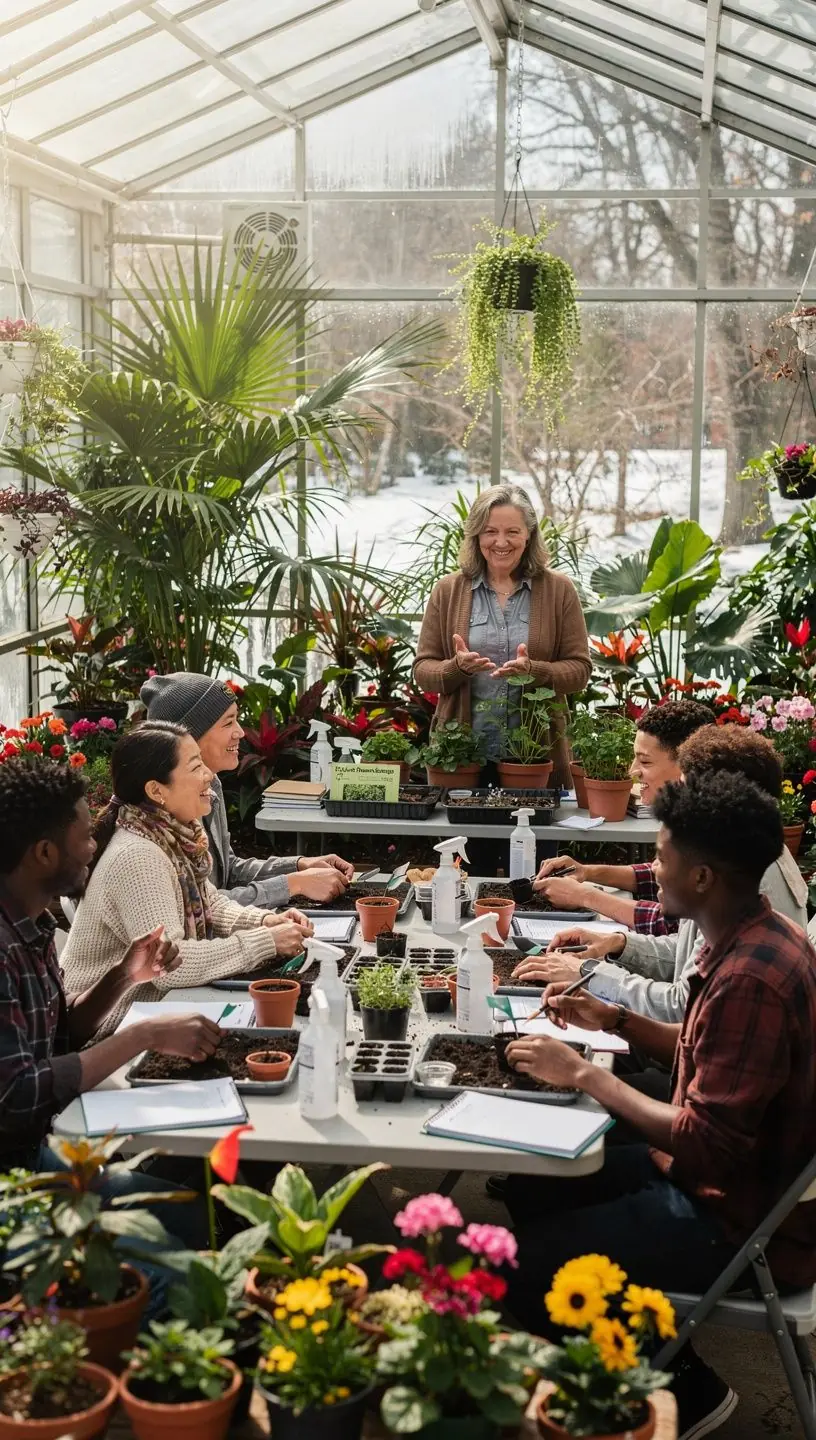
- Winter Gardening: Consider using raised beds filled with heat-retaining materials. This can help mitigate lower temperatures and extend the growing season.
- Perennial Selection: Choose perennials that are hardy and can survive the winter; plants like hostas and sedums often thrive in these conditions.
Year-Round Maintenance
Maintaining a garden throughout the year requires dedication and an understanding of seasonal needs:
- Soil Health: Regularly amend your soil with organic matter to ensure it retains nutrients and moisture.
- Pest Management: Seasonal adjustments in pest management practices can minimize crop damage. For example, employing companion planting can deter pests naturally.
- Watering Techniques: Adopting drip irrigation can help conserve water and ensure that plants receive adequate moisture without overwatering.
Conclusion
Year-round gardening in varied climates requires a thoughtful approach, considering local conditions and seasonal changes. By understanding your specific climate zone and implementing the strategies outlined, you can cultivate a vibrant garden throughout the year. Keep in mind that the process involves learning and adaptation, and results may vary based on individual circumstances. With patience and practice, many gardeners find success in maintaining a flourishing garden all year long.
Learn More